 English▼



مدونة الموقع
اتصل بنا
- إذا كانت لديك أسئلة، يرجى الاتصال بنا، وسيتم الرد على جميع الأسئلة
- البريد الإلكتروني : David@tmaxcn.com
- البريد الإلكتروني : Davidtmaxcn@gmail.com
- إضافة : No. 39, Xinchang Road, Xinyang, Haicang Dist., Xiamen, Fujian, China (Mainland)
المنتجات الساخنة
مدونة
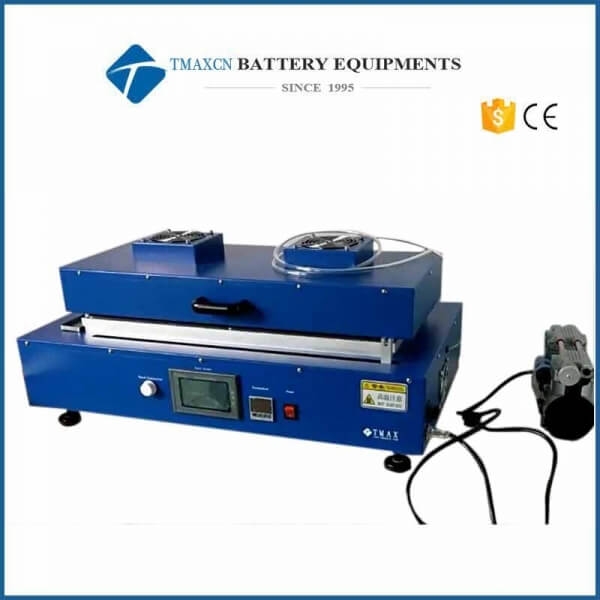
Automatic Film Applicator
Xiamen Tmax Battery Equipments Limited was set up as a manufacturer in 1995, dealing with lithium battery equipments, technology, etc. We have total manufacturing facilities of around 200000 square foot and more than 230 staff. Owning a group of experie-nced engineers and staffs, we can bring you not only reliable products and technology, but also excellent services and real value you will expect and enjoy.
Automatic Film Applicator: A Key Solution for Efficient Material Handling
An automatic film applicator is a specialized machine designed to apply various types of films (such as protective films, adhesive films, or barrier films) onto surfaces, substrates, or products. These machines are widely used in industries such as electronics, automotive, packaging, solar energy, and manufacturing to enhance product quality, protect surfaces, or improve functionality.
In this article, we will explore the principles, types, applications, advantages, challenges, and innovations associated with automatic film applicators.
●Principles of Operation
1. Film Feeding
The machine feeds the film from a roll or reel onto the target surface.
Precision control ensures consistent tension and alignment during feeding.
2. Application Method
The film is applied using rollers, blades, vacuum systems, or other mechanisms to ensure proper adhesion and coverage.
Advanced models may use heat, pressure, or UV curing to bond the film securely.
3. Trimming and Cutting
After application, excess film is trimmed or cut to match the dimensions of the substrate.
Some machines include automated cutting tools for precise edge finishing.
4. Automation
Sensors, cameras, and robotic arms enable realtime adjustments and highspeed processing.
●Types of Automatic Film Applicators
1. RolltoRoll Applicators
Used for continuous film application on large rolls of material.
Ideal for industries like packaging, textiles, and flexible electronics.
2. SheettoSheet Applicators
Designed for applying films onto discrete sheets or panels.
Common in solar panel manufacturing, glass coating, and printed circuit board (PCB) production.
3. Inline Applicators
Integrated into production lines for seamless operation.
Suitable for highvolume manufacturing processes.
4. Robotic Applicators
Employ robotic arms for precise placement of films on complex or irregular surfaces.
Used in automotive assembly, aerospace, and consumer electronics.
5. VacuumAssisted Applicators
Use vacuum technology to hold the film in place during application.
Prevents wrinkles, bubbles, and misalignment.
6. HeatAssisted Applicators
Apply thermal films that require heating for proper bonding.
Common in laminating and sealing applications.
●Advantages of Automatic Film Applicators
1. High Precision
Ensures uniform film application with minimal defects or errors.
2. Increased Efficiency
Automates repetitive tasks, reducing labor costs and improving throughput.
3. Consistent Quality
Eliminates human error, ensuring reliable results across batches.
4. Versatility
Compatible with various film types (adhesive, protective, conductive, etc.) and substrates.
5. Reduced Waste
Optimizes film usage and minimizes material loss during trimming.
6. Safety
Reduces operator exposure to hazardous materials or sharp edges.
●Challenges in Using Automatic Film Applicators
1. Initial Cost
Highquality machines can be expensive, especially for advanced features like robotics or vision systems.
2. Maintenance Requirements
Regular calibration and servicing are necessary to ensure accuracy and longevity.
3. Complexity
Some machines require specialized training for setup, operation, and troubleshooting.
4. Material Compatibility
Certain films or substrates may pose challenges due to their flexibility, thickness, or adhesive properties.
5. Space Constraints
Larger machines may require significant floor space, limiting their use in small facilities.
Doctor Blade Coating Machine
●Applications of Automatic Film Applicators
Automatic film applicators are used across a wide range of industries:
1. Electronics
Applying protective films on displays, PCBs, and semiconductor components.
2. Automotive
Installing window tint films, protective coatings, and decorative films on vehicles.
3. Packaging
Laminating films onto paper, plastic, or metal packaging materials.
4. Solar Energy
Coating solar panels with protective or antireflective films.
5. Medical Devices
Applying sterile barriers or adhesive layers on medical equipment.
6. Construction
Applying waterproofing, insulating, or decorative films on building materials.
7. Consumer Goods
Adding labels, branding, or protective layers to products.
●Innovations in Automatic Film Applicator Technology
To address challenges and enhance performance, manufacturers are developing advanced solutions:
1. AIPowered Vision Systems
Use machine learning algorithms to detect defects, adjust alignment, and optimize film placement.
2. EcoFriendly Designs
Reduce waste by recycling excess film or using sustainable materials.
3. Smart Connectivity
Enable remote monitoring, data logging, and predictive maintenance through IoT integration.
4. Customizable Configurations
Offer modular designs for easy adaptation to specific applications or materials.
5. UltraThin Film Handling
Develop capabilities for handling nanoscale or microthin films required in advanced technologies.
●The Future of Automatic Film Applicators
As industries evolve, so too will the technology behind automatic film applicators. Key trends shaping the future include:
1. Increased Precision
Development of nanoscale application techniques for emerging fields like quantum computing and biotechnology.
2. Focus on Sustainability
Ecofriendly designs, processes, and materials to minimize environmental impact.
3. Integration with Emerging Technologies
Combining film applicators with AI, robotics, and additive manufacturing for smarter and more efficient production.
4. Global Standards Compliance
Ensuring compatibility with evolving international regulations for safety and performance.
5. Expansion into New Markets
Adapting applicators for emerging industries like aerospace, renewable energy, and wearable technology.
●Conclusion
Automatic film applicators are essential tools for modern manufacturing, offering precision, efficiency, and versatility in film application processes. Their continuous evolution ensures they remain relevant in diverse industries and applications.
What excites you most about the advancements in automatic film applicator technology? Share your thoughts below! Together, let’s explore how these innovative machines can shape the future of material handling and product development.
 +86 13174506016
 David@tmaxcn.com

